Estonia

Estonia – where ferries do more than cross seas, they connect the soul with the mysteries of the Baltic Sea.
In the northern reaches of Europe lies a country of captivating beauty and fascinating culture – Estonia. Nestled on the shores of the Baltic Sea, this country impresses with a rich history, breathtaking landscapes and a vibrant cultural scene. From medieval fortresses and charming old towns to untouched forests and bustling cities, Estonia offers a variety of experiences for every visitor. Immerse yourself in the world of Estonian folklore, explore the picturesque coastal towns and experience the magic of this fascinating country. Welcome to Estonia, where past and future blend together in fascinating ways.

- Country: Estonia
- Location: Northeast Europe, Baltic Sea coast
- Area: 45,227 km²
- Population: Around 1.3 million people
- Capital: Tallin
- Official language: Estonian
- Currency: Euro
- Culture: Art, fashion, music and long traditions
- Activities: From exploring medieval towns to relaxing on the beaches
Operators & routes from / to Estonia


Operators & routes from / to Estonia
- Helsinki (Tallink Silja Line) – Tallinn (Terminal D) Tallink Silja LineTallink2 h
- Kapellskar – PaldiskiDFDS
- Mariehamn – TallinTallink
- Mariehamn – Tallinn (Terminal D) Tallink Silja LineTallink
- Stockholm – Paldiski South HarborTallink
- Stockholm – TallinTallink
- Stockholm – Tallinn (Terminal D) Tallink Silja LineTallink16 h 53 min
Sights
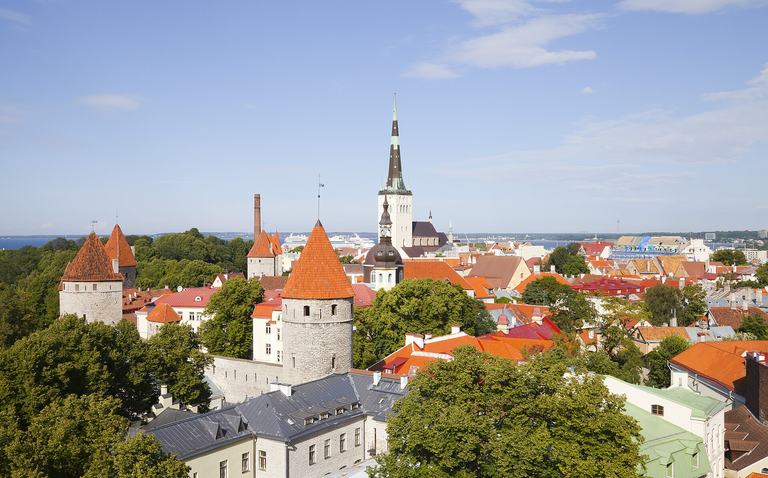
Photo: Diego Delso (CC BY-SA 3.0)
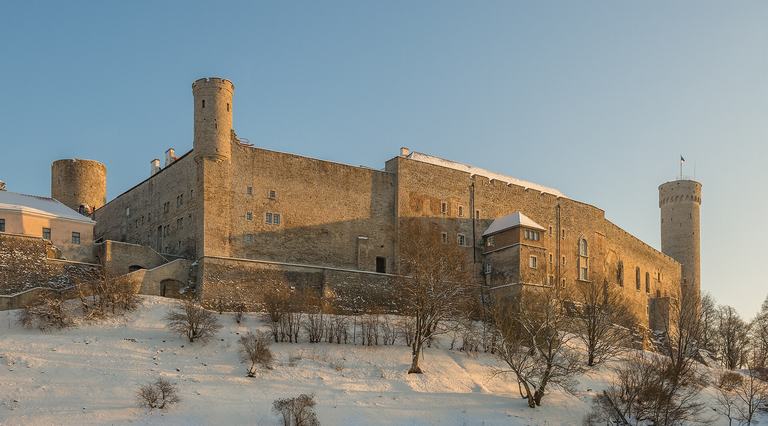
Photo: Abrget47j (CC BY-SA 3.0)
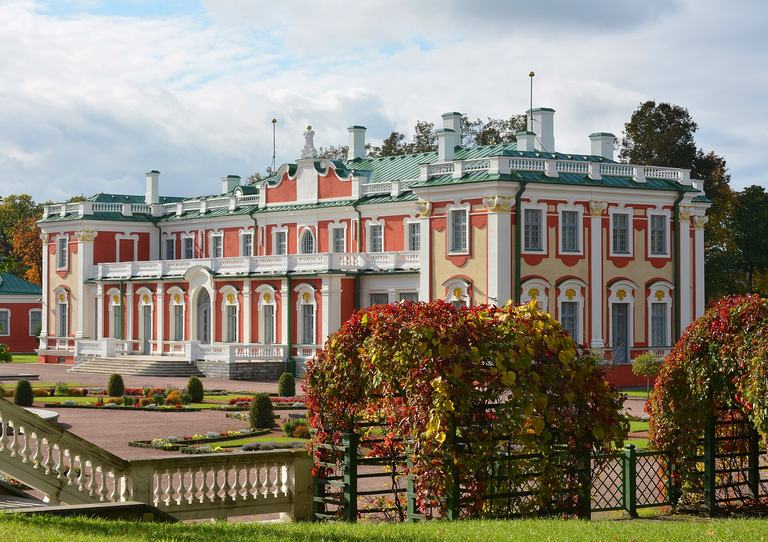
Photo: A.Palu (CC BY-SA 3.0 ee)
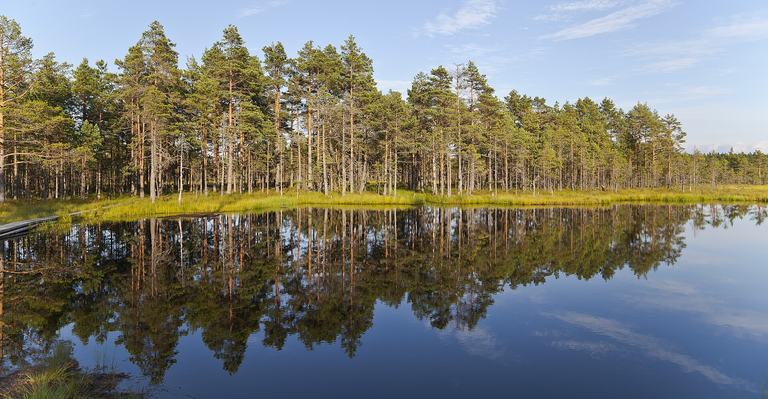
Photo: Diego Delso (CC BY-SA 3.0)
Lahemaa National Park, the largest national park in Estonia, is a natural paradise with untouched coastal forests, picturesque bays and historic manor houses. Visitors can go hiking through the diverse landscapes, tour historic manor houses and discover the park's rich wildlife.
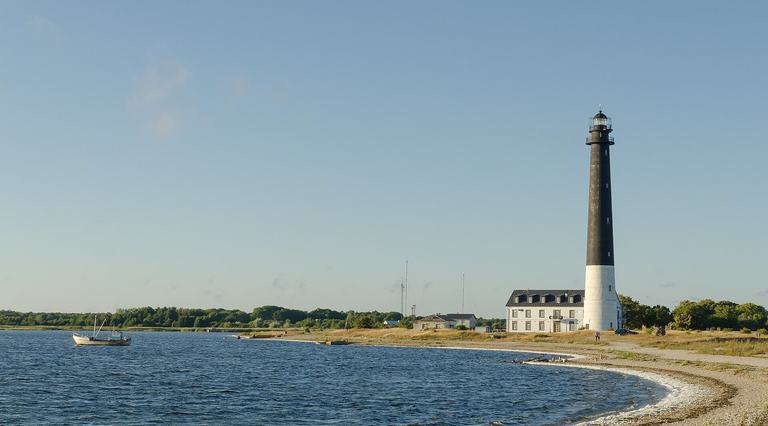
Photo: Ruta Badina (CC BY-SA 3.0)
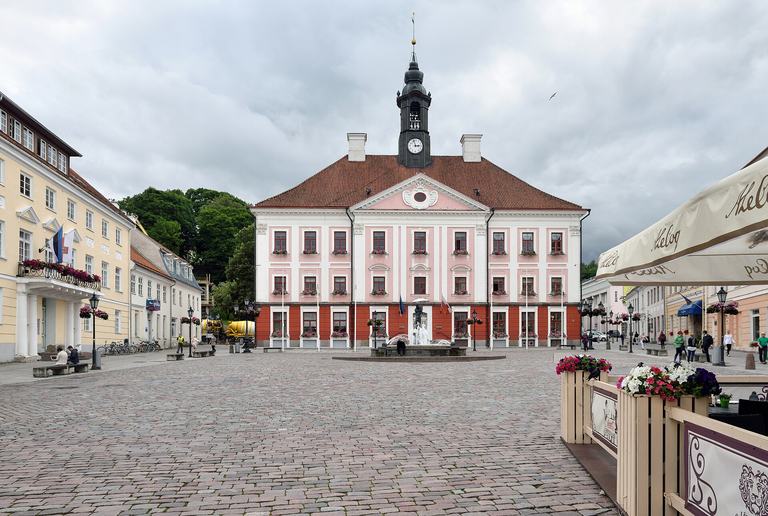
Photo: Cayambe (CC BY-SA 4.0)


Cultural facts
Estonian folk music: Estonia has a rich folk music tradition that is closely linked to the history and culture of the country. Traditional instruments such as the kannel (a type of zither) and the flute are often played at festivals, celebrations and folk events, and Estonian folk songs tell stories of love, nature and life in rural Estonia.
Singing Revolution: Estonia played a decisive role in the Singing Revolution, a series of peaceful protests and song gatherings in the late 1980s that ultimately led to Estonia's independence from the Soviet Union. Singing patriotic songs and anthems was an important part of the resistance and symbolised the unity and determination of the Estonian people.
Estonian literature: Estonia has a vibrant literary tradition that goes back to the Middle Ages and has produced works by poets and writers such as Friedrich Reinhold Kreutzwald, Lydia Koidula and Jaan Kross. Modern Estonian authors such as Tõnu Õnnepalu, Andrus Kivirähk and Kaur Kender continue this tradition and shape the contemporary Estonian literary scene.
Heritage of traditional craft: Estonia is known for its traditional craftsmanship, including the production of ceramics, textiles, woodwork and glassware. Many Estonian craftswomen and craftsmen keep old techniques and designs alive and produce high-quality handicrafts that can be found at markets, fairs and shops across the country.
Estonian language: The Estonian language, a Finno-Ugric language, is an important part of Estonian identity and culture. Estonian is one of the oldest languages still spoken in Europe and differs strongly from most other European languages. The Estonian language is proudly maintained by Estonians and regarded as a means of preserving their cultural identity.
Fun facts
E-Stonia: Estonia is a pioneer in the digital world and is often called "E-Stonia". The country offers a wide range of digital services to its citizens, including e-government, e-residency and e-voting. Estonia was also the first country in the world to recognise internet access as a basic right.
Birthplace of Skype: The popular video communication software Skype was developed by a team of Estonian developers and had its origins in Estonia. This technological success has helped establish Estonia as an innovation leader in the global tech scene.
Sauna culture: Estonia has a long sauna tradition that dates back to the Middle Ages. Saunas are widespread in Estonia and are regarded as an important part of Estonian health and wellness culture. There is estimated to be one sauna for about every three Estonians in the country.
Five seasons: Estonian folklore and traditions divide the year into five seasons instead of four. Alongside spring, summer, autumn and winter, there is an additional season called "Mudaaeg" or "mud time", which marks the transition between winter and spring.
Island nation: Estonia is an island nation with more than 2,000 islands and islets scattered along its coast. Some of the best-known islands are Saaremaa, Hiiumaa and Muhu, which attract visitors from around the world with their natural beauty, historic sights and relaxed atmosphere.
Seasonal highlights
Summer
White nights:
In summer, Estonia experiences the famous "White Nights", when the sun barely sets and the days are extremely long. This period offers endless opportunities for outdoor activities and bathes the landscape in a magical light.
Beaches and lakeside life:
The numerous sandy beaches along the Baltic coast and the picturesque lakes inland make Estonia a paradise for water sports enthusiasts and sun lovers. Visitors can swim, sail, kayak or simply enjoy the peace and beauty of nature.
Music festivals and cultural experiences:
Estonian summer is rich in music festivals, cultural events and traditional celebrations that attract visitors from around the world. From folk festivals to contemporary music events, summer in Estonia offers a wide variety of cultural experiences.
Winter
Winter wonderland:
In winter, Estonia turns into an enchanting fairytale landscape when snow covers the countryside and frosty temperatures prevail. The snow-covered forests, frozen lakes and snowy villages provide a picturesque backdrop for winter activities and exploration.
Winter wonderland in the forests:
Estonian forests are a popular destination in winter for skiers, snowboarders, cross-country skiers and snowshoe hikers. The well-maintained cross-country trails and slopes offer ideal conditions for winter sports and make outdoor enthusiasts' hearts beat faster.
Traditional Christmas markets:
In the towns and villages of Estonia, traditional Christmas markets are held in winter, filled with festive atmosphere, mulled wine, handmade gifts and local treats. These markets offer a cosy opportunity to experience Estonian culture and tradition and to get into the holiday spirit.
Important information
Best time to travel
The best time to travel to Estonia is in summer (June to August), when the days are long, nature is in bloom and temperatures are pleasantly mild. Summer is ideal for outdoor activities such as hiking, cycling and boating. Winter (December to February) is perfect for winter sports such as skiing and snowshoeing, and the Christmas season offers a cosy atmosphere with traditional markets and festive cheer.
Weather
Estonia has a temperate continental climate with mild summers and cold, snowy winters. Temperatures can reach between 15°C and 25°C in summer, while in winter they often fall below freezing and snowfall is frequent.
Culinary delights
Estonian cuisine is characterised by simple but tasty dishes that often use local ingredients such as fish, meat, potatoes, berries and mushrooms. Traditional Estonian dishes include, for example, sweet and sour herring, blood sausage, potato dishes such as mashed potatoes and potato salad, as well as various soups and stews. Berries such as bilberries, lingonberries and cloudberries, as well as honey, are also important ingredients in Estonian cuisine.
Other useful information
Estonia is known for its advanced digital infrastructure and is considered a pioneer in e-government and e-services. The country also offers a wide range of natural experiences, including national parks, forests, lakes and coastal landscapes, which are ideal for hiking, cycling and exploring. Estonia has a rich cultural history that can be experienced in the medieval towns, castles, churches and museums of the country.