Croatia

Croatia is a gem whose beauty touches the soul.
Ancient heritage, fascinating culture and breathtaking landscapes. A journey through Croatia promises a journey through the ages, from the historic towns of Dubrovnik to the idyllic islands of the Adriatic.
Let yourself be seduced by the culinary delights of Croatian cuisine and discover the hidden treasures of the picturesque villages in the interior.
Here you will find both insights into the most worth-seeing places in Croatia and important information about entry requirements and culture.

- Location: Croatia lies in south-eastern Europe, on the Adriatic coast
- Area: 56,594 km²
- Population: Around 4 million people
- Capital: Zagreb
- Official language: Croatian
- Currency: Croatian kuna (HRK)
- Culture: Croatia offers a rich cultural diversity, which is reflected in its history, traditions, art and music
- Cuisine: Popular dishes include, for example, seafood, grilled fish, risotto and local cheeses.
- Activities: Exploring historic towns, sailing and relaxing on the numerous beaches
Operators & routes from / to Croatia
Operator: Jadrolinija
Operators & routes from / to Croatia
- Ancona – SplitJadrolinija11 h
- Ancona – ZadarJadrolinija
- Bar – DubrovnikJadrolinija
- Bari – DubrovnikJadrolinija
- Bari – SplitJadrolinija
Sights
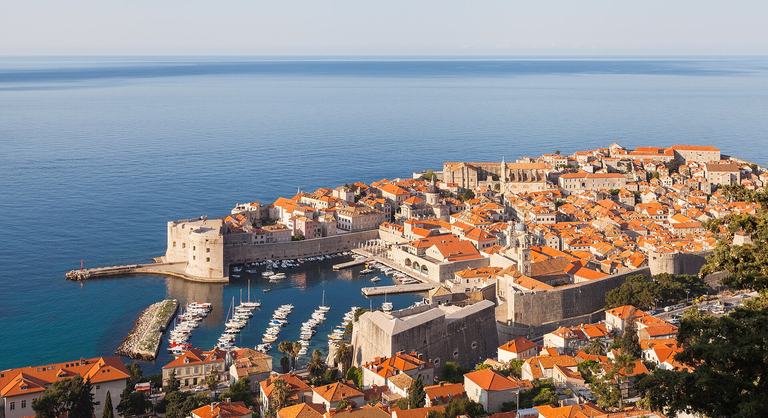
Photo: Diego Delso (CC BY-SA 3.0)
The old town of Dubrovnik, also known as the "Pearl of the Adriatic", is a UNESCO World Heritage Site and one of the best-preserved medieval cities in Europe. With its imposing city walls, narrow lanes, historic churches and magnificent palaces, it offers a fascinating testimony to Croatian history and culture.
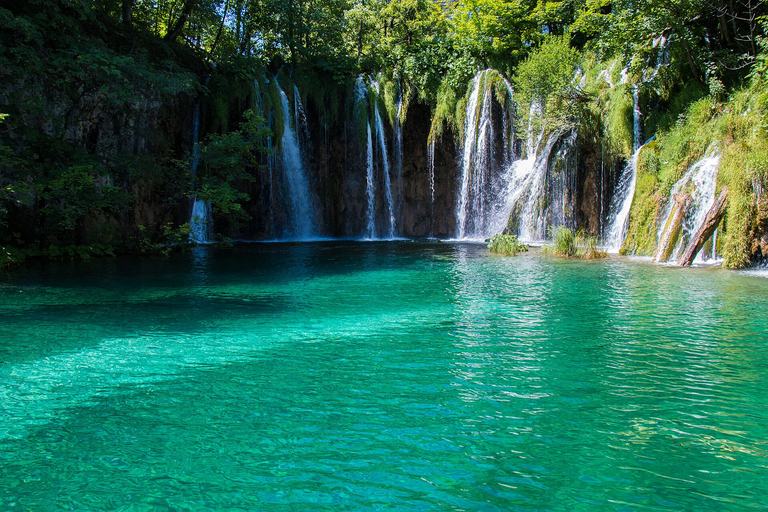
Photo: Tesla Delacroix (CC BY-SA 4.0)
Plitvice Lakes National Park is one of the oldest and best-known national parks in Croatia and also a UNESCO World Heritage Site. It impresses with its breathtaking natural beauty, with emerald-green lakes, waterfalls and lush vegetation. Visitors can explore the numerous lakes and waterfalls on well-maintained hiking trails.
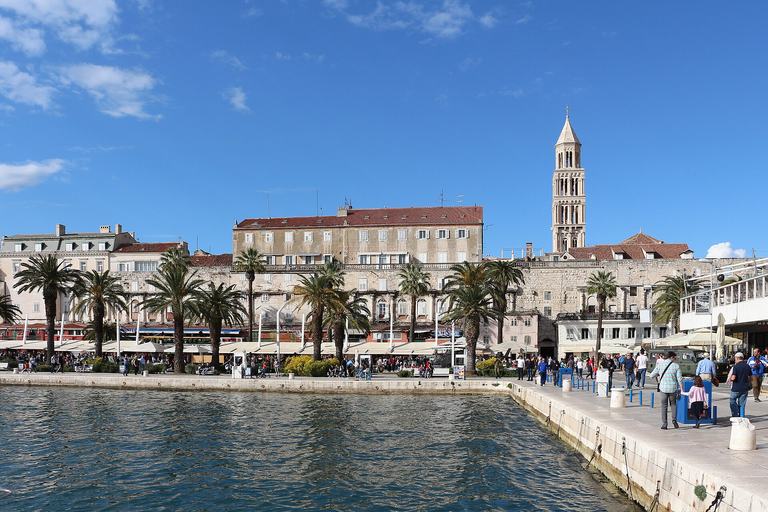
Photo: Bernard Gagnon (CC BY-SA 4.0)
Diocletian's Palace in Split is an impressive example of Roman architecture and also a UNESCO World Heritage Site. It was built in the 4th century by Emperor Diocletian and today is the heart of the old town of Split, with its winding lanes, historic buildings and lively squares.
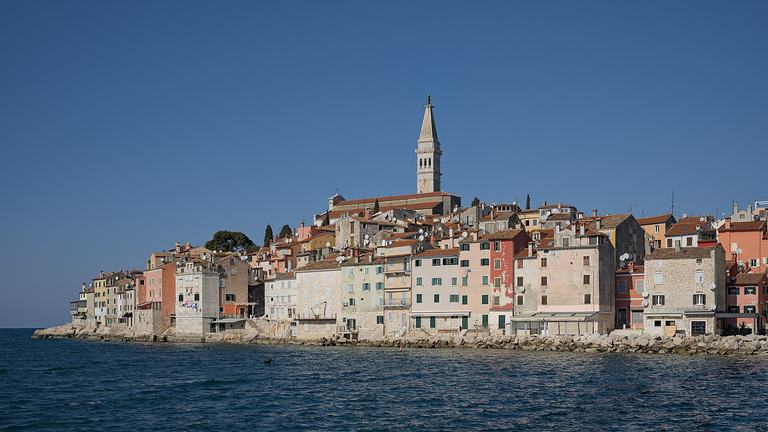
Photo: Miha Peče (CC BY-SA 4.0)
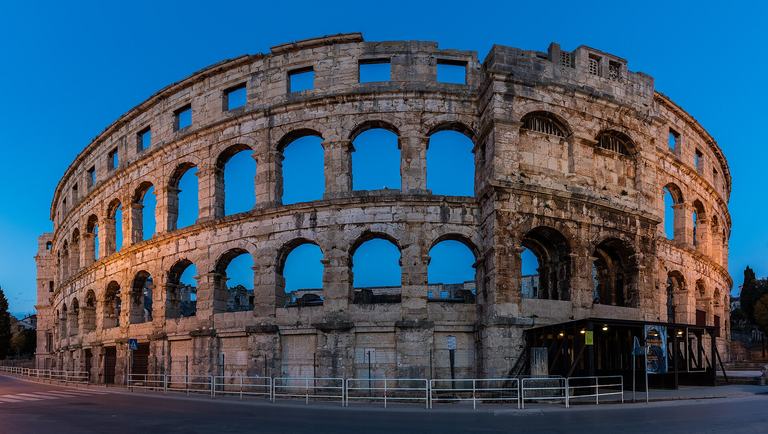
Photo: Diego Delso (CC BY-SA 4.0)
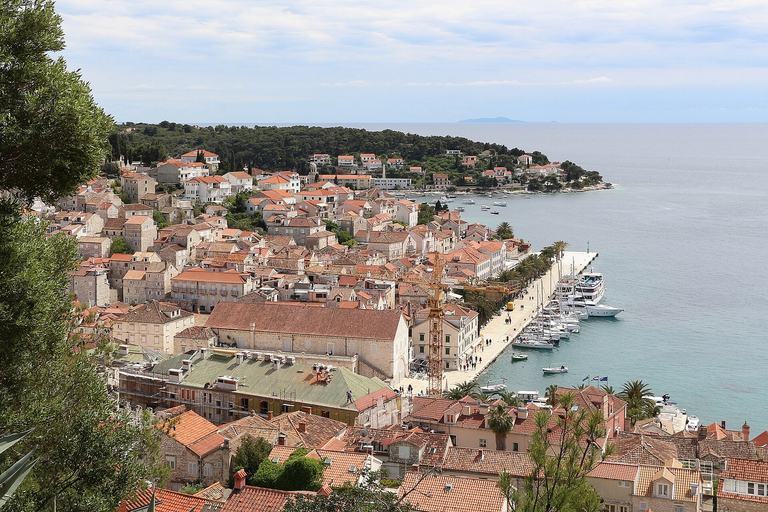
Photo: Bernard Gagnon (CC BY-SA 4.0)
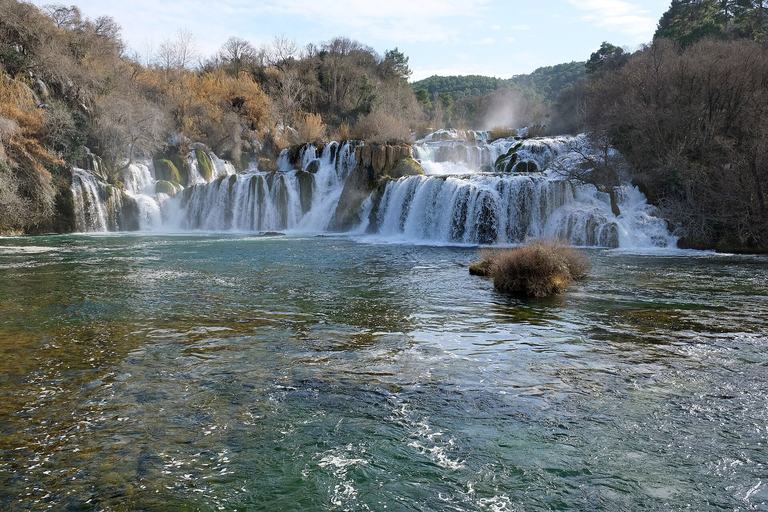
Photo: kallerna (CC BY-SA 4.0)
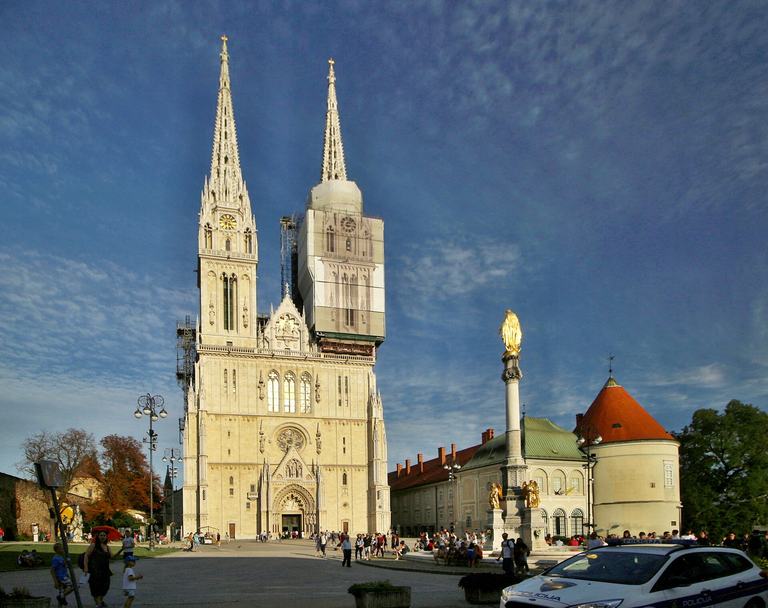
Photo: VitVit (CC BY-SA 4.0)


Cultural facts
Literary heritage
Croatia has a rich literary tradition that goes back to the Middle Ages. Famous Croatian writers such as Ivan Gundulić and August Šenoa have created important works of Croatian literature that are still regarded as national heritage today. Modern Croatian authors such as Dubravka Ugrešić and Slavenka Drakulić continue to contribute to the cultural diversity of the Croatian literary scene.
Musical tradition
Croatian musical tradition is diverse and ranges from traditional folk music to contemporary genres such as pop, rock and electronic music. Zagreb, the capital of Croatia, is known for its lively music scene, which offers a wide range of concerts, festivals and cultural events. Traditional Croatian musical instruments such as the tamburica and the klapa singing tradition are important parts of the Croatian music scene.
Folk festivals and customs
Croatia is rich in folk festivals and traditional customs that celebrate the country's cultural heritage. Events such as the Zagreb Film Festival, the Dubrovnik Summer Festival and the Carnival in Rijeka attract numerous visitors every year and offer insights into Croatia's diverse culture.
Architectural heritage
Croatia's architectural heritage reflects the country's rich history, from Roman ruins to medieval towns and baroque palaces. The UNESCO World Heritage Sites such as the old town of Dubrovnik, Diocletian's Palace in Split and Plitvice Lakes National Park are just a few examples of the impressive architecture of Croatia that attracts visitors from all over the world.
Wine culture
Croatia has a long tradition of winemaking and is known for its high-quality wines, which thrive on the sun-blessed hills of the Adriatic coast. Regions such as Istria, Dalmatia and Slavonia are famous for their wine production and offer wine lovers the opportunity to taste and enjoy local varieties such as Malvazija, Plavac Mali and Graševina.
Fun facts
Quirky Traditions:
Croatia is known for its quirky and traditional customs, which are deeply rooted in the country's history. These include unique events such as the annual donkey race in the town of Sinj and the Feast of St. Blaise in Dubrovnik, where residents parade through the streets in historical costumes.
Historical Treasures:
With a rich history, Croatia offers an abundance of historical treasures, including medieval fortresses such as Klis Fortress, ancient Roman ruins in cities such as Pula, and prehistoric sites such as the Vela Spila caves on the island of Korčula.
Maritime Traditions:
As a country with a long coastline and a strong maritime tradition, Croatia has some quirky seafaring customs. One example is the annual feast of the patron saint of seafarers, Saint Nicholas, when fishermen have their boats blessed and perform traditional dances.
Diverse Cuisine:
Croatian cuisine is known for its variety and regional specialities. From grilled meat and seafood on the coast to hearty stews and delicious cheeses in the interior, there are many culinary curiosities to discover.
Famous Personalities:
Croatia has produced several famous personalities who are known around the world. They include the inventor Nikola Tesla, the sculptor Ivan Meštrović and the athlete Janica Kostelić. There are many interesting fun facts about their achievements and their legacy.
Traditional Costumes and Folk Dances:
Traditional Croatian costumes and folk dances play an important role in the country's cultural life. Each region of Croatia has its own costumes and dances, which are often performed at festivals and celebrations and attract visitors from all over the world.
Seasonal Highlights
Summer
Beach Life on the Adriatic Coast:
Summer months in Croatia attract visitors from all over the world to the picturesque beaches of the Adriatic coast. From the lively beaches of Split and Dubrovnik to the quiet bays of the islands of Hvar and Brač, the Croatian coast offers a wide range of opportunities for sunbathing, swimming and water sports.
Festivals and Events:
Summer is also the peak season for festivals and cultural events throughout Croatia. From music festivals such as INmusic Festival in Zagreb to traditional folk festivals such as the Sinjska Alka in Sinj, there are numerous ways to experience Croatian culture and joie de vivre.
Outdoor Activities:
The warm summer months invite a wide variety of outdoor activities. From hikes in Plitvice Lakes National Park to boat trips to the offshore islands, Croatia offers many ways to explore the breathtaking nature of the country.
Winter
Christmas Markets and Winter Magic:
Winter in Croatia brings a magical atmosphere when the towns are decorated with festive lights and Christmas markets open their doors. Zagreb is especially known for its Christmas market, which was named one of the best in Europe and delights visitors with traditional treats and handmade gifts.
Skiing in the Mountains:
Croatia may be known for its coast, but in winter the country also attracts skiers and snowboarders to the mountains. Ski resorts such as Platak, Bjelašnica and Sljeme offer a wide range of slopes for all skill levels and a breathtaking view of the snow-covered landscapes.
Winter Wellness:
Croatian thermal springs and wellness oases offer a welcome opportunity for relaxation and recovery in winter. From the hot springs of Krapinske Toplice to the luxurious spas on the coast, there are numerous ways to escape the winter blues and pamper body and mind.
Important information
Best time to travel
Croatia is a popular destination all year round, but the best time to travel is from May to September. During these months the weather is warm and sunny, perfect for beach holidays and outdoor activities. The shoulder season from October to April offers milder weather and fewer tourists, ideal for sightseeing and cultural experiences.
Currency
The official currency of Croatia is the Croatian kuna (HRK). It is advisable to bring cash in kuna, although credit and debit cards are accepted in most shops, restaurants and hotels. Currency exchange is available at airports, banks and exchange offices.
Culinary delights
Croatian cuisine is diverse and offers a wealth of delicious dishes that vary from region to region. Culinary highlights include fresh fish and seafood, grilled meat, Mediterranean vegetables, cheeses such as Pag cheese, and traditional desserts such as palačinke and strudel. Wine lovers can try local wines from the wine regions of Istria, Dalmatia and Slavonia.
Weather conditions
The weather in Croatia varies by region, but in general there is a Mediterranean climate with warm, dry summers and mild, humid winters. Coastal areas have mild winters and hot summers, while the interior experiences cooler winters and warmer summers.
Transport
Croatia has a well-developed transport network that makes it easy to travel around the country. Transport options include trains, buses, ferries and domestic flights. The road network is well maintained, and driving is a popular option for exploring the picturesque coastal roads and the interior.