Ireland

Ireland is a country where the sky meets the earth and the soul gets wings.
In the green expanses of the Emerald Isle lies a land full of legends, landscape beauty and lively culture: Ireland. From the majestic Cliffs of Moher to the historic streets of Dublin, Ireland tells a story of centuries in which myth and modernity meet. Imbued with the warm hospitality of the Irish and framed by gentle hills and rugged coasts, this land is a place where the past intertwines with the present and captures the heart of every visitor. Welcome to Ireland, where legends come to life and nature tells its own stories.

- Location: Western Europe
- Area: 84,421 km²
- Population: About 6.8 million people
- Capital: Dublin (Republic of Ireland), Belfast (Northern Ireland)
- Official languages: Irish, English
- Currency: Euro (EUR) in the Republic of Ireland, Pound sterling (GBP) in Northern Ireland
- Culture: History, art, architecture, music
- Cuisine: Hearty dishes, Irish stew (a stew with meat, potatoes and vegetables)
- Activities: Exploring ancient towns and breathtaking landscapes
Operators & routes from / to Ireland
Operator: Stena Line
Operators & routes from / to Ireland
- Cherbourg – RosslareStena Line
- Fishguard – RosslareStena Line3 h 30 min
- Holyhead – DublinStena Line3 h 30 min
Sights
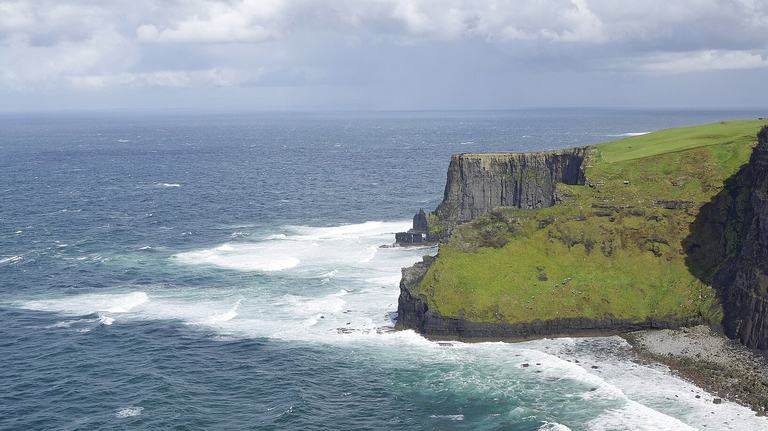
Photo: Berthold Werner (CC BY-SA 4.0)
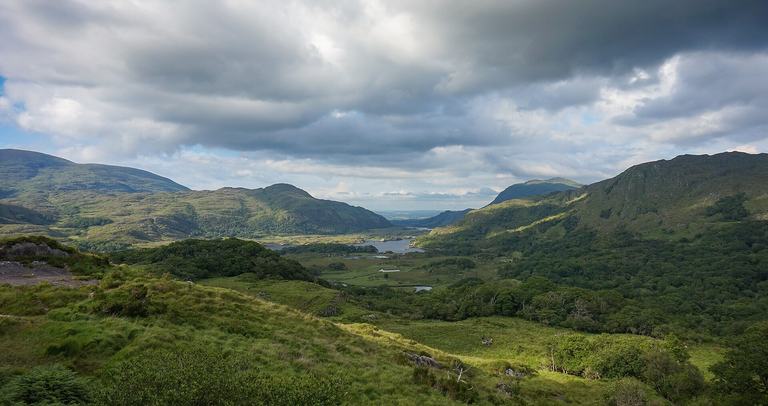
Photo: Marco Ober (CC BY-SA 4.0)
The Ring of Kerry is a scenic coastal road in County Kerry that passes some of Ireland's most beautiful landscapes. The route offers breathtaking views of mountains, lakes, green valleys and picturesque coastal villages and is a popular destination for visitors who want to experience the natural beauty of the Irish landscape.
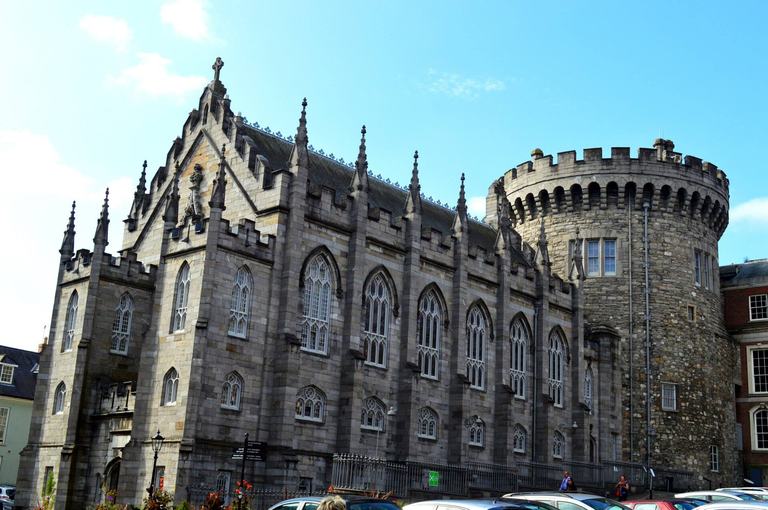
Photo: Jowaria (CC BY-SA 4.0)
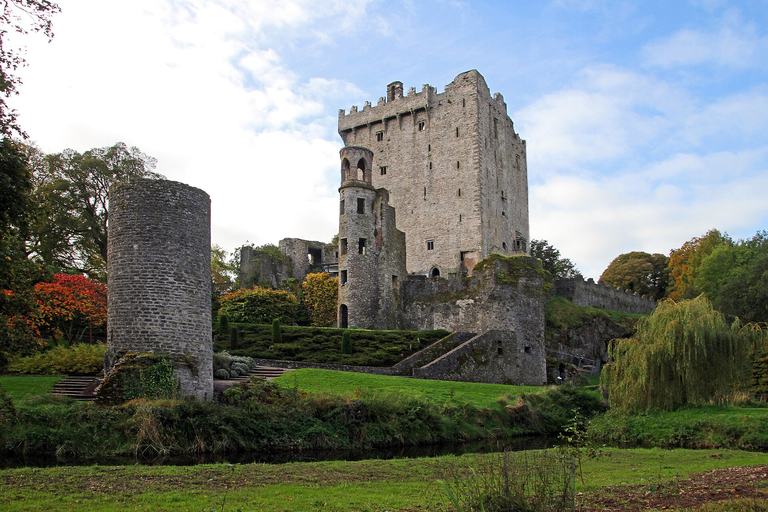
Photo: Gerd Eichmann (CC BY-SA 4.0)


Cultural facts
Irish music: Irish music has a long tradition and is known worldwide for its lively melodies and profound lyrics. Traditional instruments such as the tin whistle, the fiddle and the bodhrán are often used in Irish music groups that play both traditional and contemporary music.
Gaelic language: Irish, also known as Gaelic, is a Celtic language and an official language of Ireland. Although most Irish people speak English, there are still communities where Irish is spoken as a first language. Promoting the Irish language and culture is an important concern in Ireland.
Literature: Ireland has a rich literary tradition that has produced some of the best-known writers in the world. Famous Irish authors such as James Joyce, Oscar Wilde, Samuel Beckett and W.B. Yeats have had a lasting influence on world literature and are known for their works in prose, drama and poetry.
Folklore and mythology: Irish folklore and mythology are rich in stories about fairies, goblins, ghosts and heroes. These orally transmitted stories are deeply rooted in Irish culture and reflect the faith and beliefs of the people.
Dance: Irish dance is known worldwide for its energy, precision and expressiveness. Traditional dances such as the Irish step dance and the ceili dance are often performed at festivals, events and competitions and are an integral part of Irish culture.
Churches and monasteries: Ireland has a long Christian tradition and is home to a large number of historic churches, monasteries and monastic sites. Places such as the ruins of Glendalough and Clonmacnoise bear witness to the early Christian history of Ireland and attract many visitors every year.
Festivals: Ireland is known for its lively festival culture, which includes numerous events and festivals throughout the year. These include the St. Patrick's Day Festival, the Galway International Arts Festival, the Cork Jazz Festival and the Wexford Opera Festival, to name just a few. These festivals celebrate the music, art, literature and culture of the country and are a great opportunity to experience the vibrant atmosphere of Ireland.
Fun facts
Green Ireland: Ireland is often called "the Green Isle" because of its lush landscapes, lush pastures and rich vegetation. The many rainy days and the mild climate contribute to this deep green.
Pub culture: Ireland is known worldwide for its cosy pubs, which are an important part of social life. Locals and visitors meet here to chat over a pint of Guinness, listen to live music and enjoy the sense of community.
Friendly greetings: In Ireland it is customary to greet strangers with a friendly "Hello" or "How are you?", even if you do not know them. This warm and welcoming culture makes Ireland a friendly destination for visitors from all over the world.
Sheep everywhere: With more sheep than people, Ireland is a true paradise for flocks of sheep. The picturesque landscapes are often dotted with grazing sheep, which add to the idyllic scenery and are a symbol of rural life in Ireland.
The Irish accent: The Irish accent is famous worldwide and is considered by many to be one of the most charming and melodic accents. However, there are various regional variations of the accent, which can differ from region to region.
Halloween: Halloween has its roots in Ireland and goes back to the Celtic festival of Samhain, which marked the beginning of the Celtic new year. Today Halloween in Ireland is celebrated with parades, costume parties and spooky traditions.
The oldest pub in the world: Sean's Bar in Athlone, County Westmeath, is considered the oldest pub in the world. It was founded in 900 AD and has been in continuous operation ever since.
The Titanic: Although the Titanic was built in Belfast, Northern Ireland, it has a strong connection to Ireland. Many of the workers who took part in building the ship came from Ireland, and the fate of the Titanic is closely tied to the history of the country.
Seasonal highlights
Summer
Festivals and events: Summer in Ireland is full of festivals and events, ranging from music and art to culture and tradition. The highlights include the Galway International Arts Festival, the Cork Midsummer Festival and the Spraoi Festival in Waterford.
Outdoor activities: The longer days and milder weather make summer ideal for outdoor activities. From hiking and cycling to water sports such as surfing and kayaking, summer offers numerous ways to explore Ireland's breathtaking landscape.
Garden splendour: Ireland's gardens and parks are in full bloom in summer and offer a colourful backdrop for walks and picnics. Notable gardens include Powerscourt Estate in Wicklow, the Kylemore Abbey Victorian Walled Garden in Galway and Mount Congreve Gardens in Waterford.
Winter
Cosy pubs: Irish pubs are especially inviting and cosy in winter. With a warm fire, a pint of Guinness and live music, visitors can escape the cold weather and enjoy the convivial atmosphere.
Christmas markets: The run-up to Christmas in Ireland is marked by festive Christmas markets filled with lights, decorations and traditional treats. Cities such as Dublin, Belfast and Galway turn into winter wonderlands, where visitors can buy gifts and enjoy the festive mood.
Winter walks: Ireland's quiet woods and hills offer an attractive backdrop for hikes and strolls in winter. The frosty mornings and clear air make the landscape especially picturesque and invite outdoor activities.
Important information
Best time to travel
The best time to travel to Ireland is from May to September, when the weather is at its mildest and the days are longest. During this period the landscape comes alive, and the many festivals and events create a lively atmosphere. The shoulder seasons of spring and autumn can also be appealing, as there are fewer tourists and the countryside is often quieter.
Currency
The currency in the Republic of Ireland is the euro (EUR), while in Northern Ireland the pound sterling (GBP) is used. It is advisable to bring some cash, as not all shops and restaurants accept credit cards, especially in rural areas. However, cash machines are widespread and usually accept international cards.
Culinary delights
Irish cuisine is known for its hearty and filling dishes, which are often based on regional ingredients. Traditional dishes include Irish stew (a stew of meat, potatoes and vegetables), boxty (a type of potato pancake), colcannon (mashed potatoes with cabbage or leek) and soda bread. Seafood, especially fresh oysters and smoked salmon, is also a popular speciality.
Weather conditions
The weather in Ireland is known for being unpredictable and can change quickly. Summers are usually mild, with average temperatures between 15°C and 20°C. However, there are frequent showers, so it is advisable to bring waterproof clothing. Winters are cool, with average temperatures between 4°C and 8°C, and there is often rainy and stormy weather.