Sweden

Sweden: where nature speaks and freedom sings.
Experience fascinating contrasts, unspoiled natural beauty and historic cities with timeless architecture. Immerse yourself in a world where majestic forests meet picturesque lakes, and let yourself be inspired by the unique mix of tranquillity and vibrant creativity. Whether in the bustling metropolis of Stockholm, the rugged fjälls or on the trail of the Vikings – Sweden welcomes you with open arms.
Get ready for unforgettable experiences that appeal not only to the senses but also let your heart beat in harmony with the nature and culture of this enchanting country.
Your journey to Sweden begins here – let yourself be seduced by the beauty of the North!

- Location: On the Baltic Sea, on the Scandinavian Peninsula
- Area: 449,964 km²
- Population: About 10.2 million people
- Capital: Stockholm
- Official language: Swedish
- Currency: Swedish krona (1 Swedish krona = 100 öre)
- Culture: advanced design, deep connection with nature, preservation of traditions
- Cuisine: popular Swedish dishes include, for example, fish dishes, köttbullar and cinnamon buns (kanelbullar)
- Activities: cycling, fishing, boat tours and skiing
Operators & routes from / to Sweden
Operator: Tallink Silja Line
Operators & routes from / to Sweden
- Frederikshavn – GoeteborgStena Line3 h 30 min
- Gdansk – NynashamnPolferries
- Gdynia – KarlskronaStena Line9 h 45 min
- Grenaa – HalmstadStena Line
- Helsinki (Tallink Silja Line) – StockholmTallink
- Helsinki – StockholmTallink
- Kiel – GoeteborgStena Line15 h 30 min
- Klaipeda – KarlshamnDFDS, TT-Line
- Klaipeda – TrelleborgTT-Line
- Langnäs – KapellskarFinnlines3 h 30 min
- Langnäs – StockholmTallink
- Mariehamn – StockholmTallink
- Naantali – KapellskarFinnlines8 h 35 min
- Paldiski South Harbor – StockholmTallink
- Paldiski – KapellskarDFDS
- Rostock – TrelleborgStena Line, TT-Line6 h
- Sandefjord – StromstadColor Line, Fjord Line2 h 30 min
- Swinoujscie – MalmoFinnlines9 h 15 min
- Swinoujscie – TrelleborgTT-Line6 h
- Swinoujscie – YstadPolferries
- Tallin – StockholmTallink
- Tallinn (Terminal D) Tallink Silja Line – StockholmTallink16 h 53 min
- Travemunde – KarlshamnTT-Line
- Travemunde – MalmoFinnlines9 h 15 min
- Travemunde – TrelleborgTT-Line9 h
- Turku – StockholmTallink11 h 5 min
- Ventspils – NynashamnStena Line
Sights
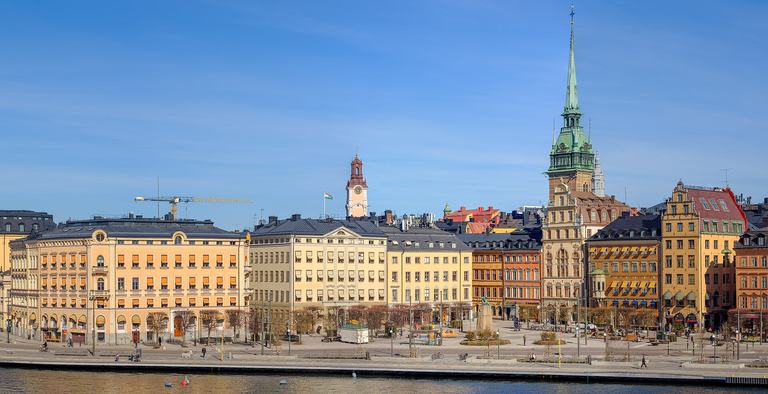
Photo: ArildV (CC BY-SA 4.0)
Stockholm Old Town, also known as Gamla Stan, is a fascinating sight that embodies the rich history and charm of the Swedish capital. This well-preserved medieval old town lies on the island of Stadsholmen and is marked by narrow lanes, historic buildings and colourful façades.
One of the most striking buildings in Gamla Stan is the Royal Palace, an imposing palace with over 600 rooms that serves as the official residence of the Swedish monarch. The changing of the guard in front of the palace is a popular attraction and draws many visitors every day.
Strolling through the cobbled streets of Gamla Stan, you will also discover Stortorget, the oldest square in the city. Surrounded by colourful buildings, it offers charming cafés and souvenir shops. Stortorget once served as a market square and today is a lively centre that reflects the history of the city.
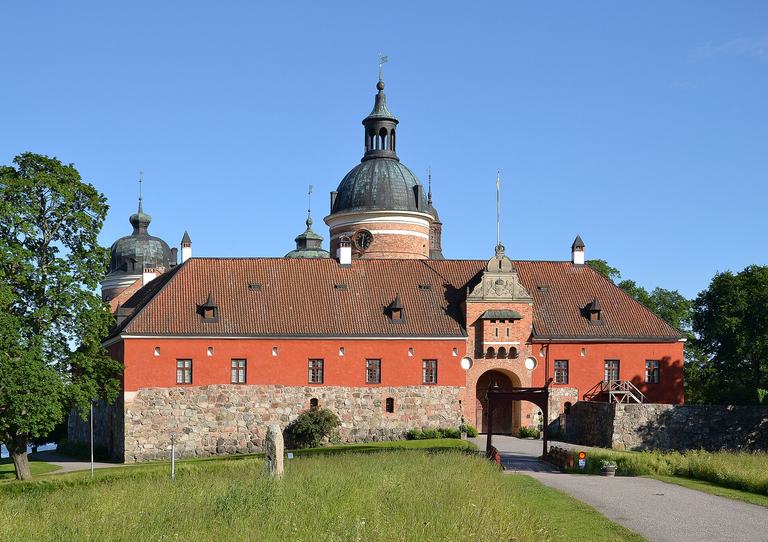
Photo: Pudelek (CC BY-SA 4.0)
Gripsholm Castle, an outstanding sight in Sweden, lies picturesquely on the shore of Lake Mälaren in the charming town of Mariefred. The castle, built in the 16th century, combines impressive architecture with a rich history, and it is one of the best-preserved Renaissance castles in the country.
The striking exterior of Gripsholm Castle, with its towers and battlements, reflects Renaissance architecture and gives the building a majestic appearance. The adjoining castle park, with its carefully tended gardens, offers a picturesque setting and invites visitors on relaxed strolls.
A highlight of the castle is undoubtedly the impressive collection of national portraits, displayed in the magnificently decorated rooms. The paintings offer a fascinating insight into Swedish history and culture, with many of the country's personalities immortalised by well-known artists.
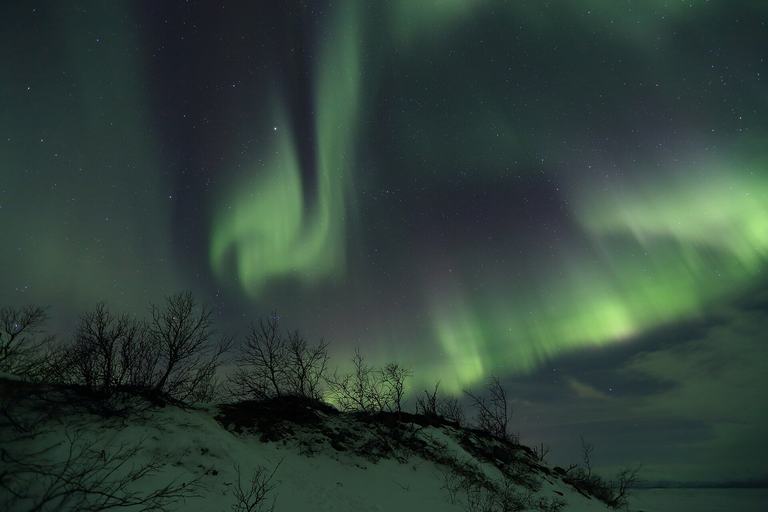
Photo: Pavel.shyshkouski (CC BY-SA 4.0)
The Northern Lights, also called the Aurora Borealis, are among the most fascinating natural phenomena that can be experienced in Sweden. Especially in the northern regions, such as Lapland, conditions are ideal for watching this impressive light spectacle.
Lapland, which stretches across the northern part of Sweden, is known for its clear nights, low light pollution and breathtaking nature. These factors make the region one of the best places in the world to watch the Northern Lights. The cold winter months from October to March are considered especially promising for Northern Lights activity.
The green, pink and violet veils of the Northern Lights often dance across the night sky, creating a surreal, almost magical atmosphere. The clear air and the vast, snow-covered landscape enhance the experience and provide a unique backdrop for this natural phenomenon.
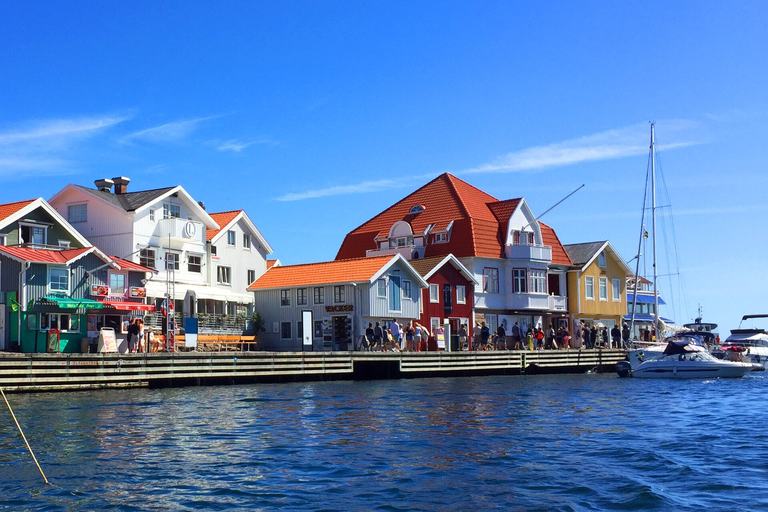
Photo: Kuriosatempel (CC BY-SA 4.0)
The Bohuslän archipelago is a charming and unique attraction on the west coast of Sweden, captivating visitors with its breathtaking beauty and maritime atmosphere. The Bohuslän skerries stretch along the coast and comprise a multitude of small islands, rocks and coastal waters.
The distinctive landscape of the Bohuslän skerries is shaped by smooth granite rocks, dense pine forests and picturesque fishing villages. The numerous small islands offer an idyllic setting for exploration tours and are often reachable only by boat, which makes the region a paradise for water sports enthusiasts and nature lovers.
A highlight of the Bohuslän skerries is the impressive rock formation called "Väderöarna", or Weather Islands. These wind-battered islands offer not only spectacular views but also rich wildlife, including seals and a variety of seabirds.
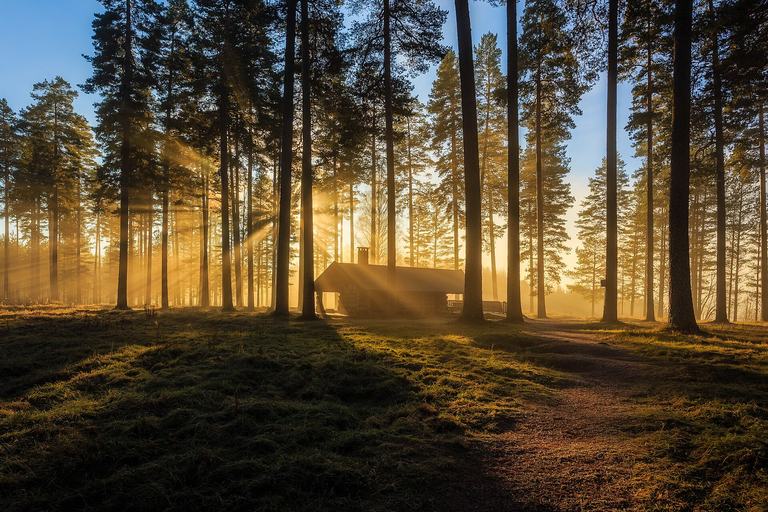
Photo: Pixpep (CC BY-SA 4.0)
The deep forests of Värmland are a natural jewel in the heart of Sweden, offering a rich mix of untouched wilderness, dense woodlands and clear lakes. This region, known for its breathtaking landscape and deep connection to Swedish nature, attracts nature lovers and adventurers alike.
The forests of Värmland extend over vast areas and are marked by a rich diversity of species. Here you will find majestic pine forests, dense birch groves and picturesque lakes, which provide the perfect setting for a variety of outdoor activities.
One of the characteristic features of this region is the numerous hiking and nature trails that lead through the deep forests. Hikers can explore the untouched beauty of nature, reach viewpoints on hills and rest by clear lakes.
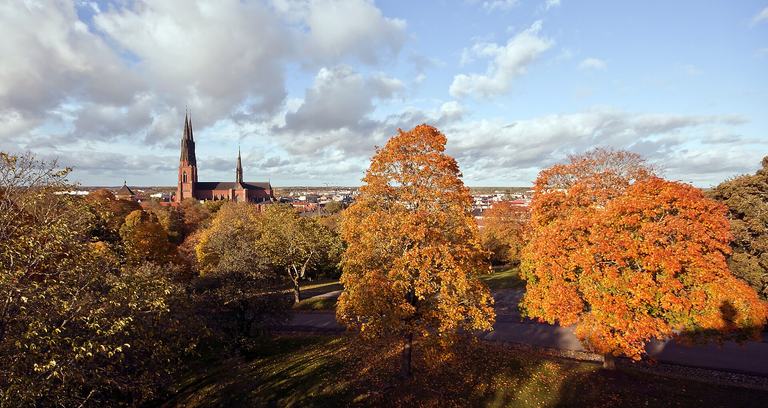
Uppsala Cathedral, also known as Uppsala domkyrka, is an impressive sight and the largest church in Sweden. This imposing church stands in the heart of the city of Uppsala and is an important religious, historical and architectural landmark.
The cathedral was built in the 13th century and impresses with its Gothic architecture. The striking towers, delicate tracery and imposing vaults bear witness to the craftsmanship of past centuries. The church is not only a place of prayer but also a reflection of Swedish history and culture.
The interior of the cathedral houses an impressive collection of artworks, altars and sculptures. The high altar, also known as the Triumphal Cross altar, is a masterpiece of Renaissance art and draws the attention of visitors. The church also contains the tombs of many Swedish kings, which underlines its historical significance.
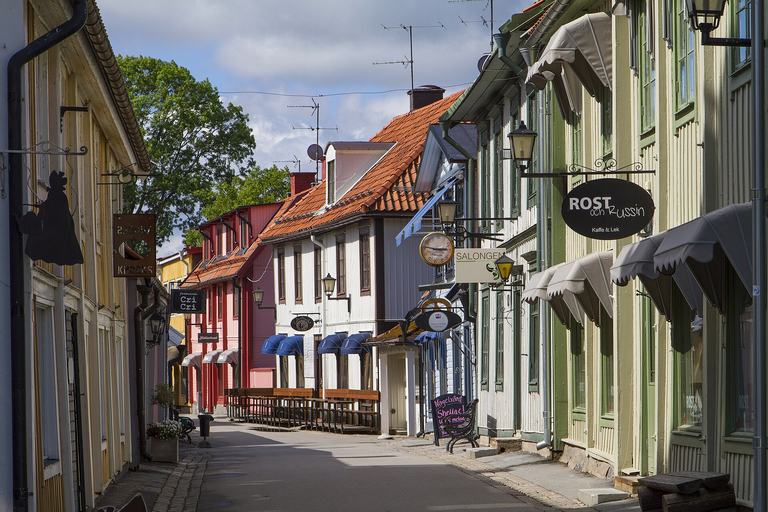
Photo: Brorsson (CC BY-SA 3.0)
The old wooden houses in Sigtuna, Sweden, represent a charming and well-preserved journey into the past. This historic town, founded in the 10th century, lies picturesquely on the shore of Lake Mälaren and is known for its well-preserved buildings in the traditional Swedish style.
The old wooden houses of Sigtuna are a living testimony to history and Nordic building art. Most of these buildings date from the 18th and 19th centuries and have been lovingly restored to preserve their original charm. The colourful wooden facades and traditional Swedish verandas create a picturesque backdrop for visitors.
The narrow cobbled streets lead to small squares, where charming cafés, craft shops and boutiques can be found. The atmosphere is marked by a relaxed tranquillity that invites you to explore the historic surroundings and experience the local culture.
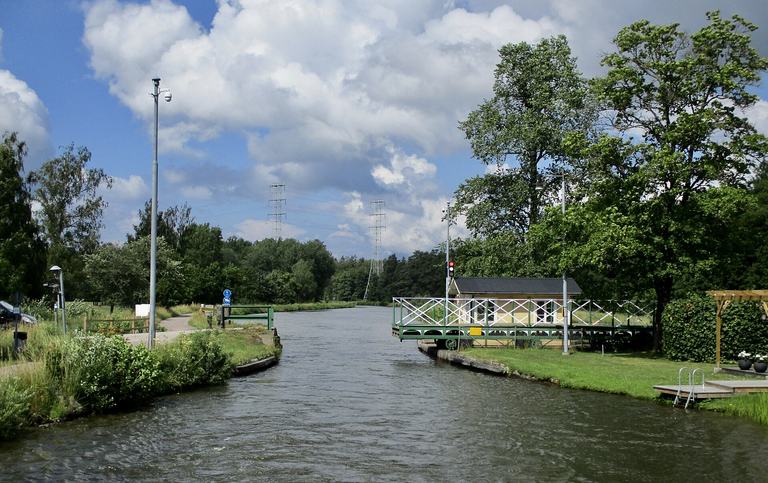
Photo: Eskil Malmberg (CC BY-SA 4.0)
The Göta Canal, often called the "Blue Ribbon of Sweden", is an impressive waterway that stretches through the heart of the country. Spanning over 190 kilometres, the canal connects Lake Vänern in the west with the Baltic Sea in the east, crossing a fascinating and varied landscape along the way.
One of the outstanding features of the Göta Canal is its numerous locks, of which there are 58 in total. These engineering marvels allow boats to overcome a height difference of about 90 metres. Operating the locks by hand is not only a fascinating process but also gives boaters the opportunity to enjoy the journey and admire the picturesque surroundings.
The journey along the Göta Canal leads through idyllic landscapes, past dense forests, charming villages and open fields.


Cultural facts
The art of balance:
Most Swedes place great value on having a balanced relationship between work and private life. The focus is not on always wanting to be the best, but on advancing the shared cause, the project or the respective company.
Swedish coziness:
Private life is at least as important as work. It is cherished and cared for, so that Swedes can draw new strength from it. The well-known Scandinavian coziness has its origin in people wanting to make life in their own four walls as pleasant as possible, including in its outward appearance.
Festive traditions:
Despite all their tendencies to keep to themselves, Swedes enjoy celebrating. Sociability is of course at the forefront, but food also plays a major role: cinnamon buns (kanelbullar), elk meat, shrimp and, of course, fish such as herring or salmon are a must. Swedish dishes are generally simple to prepare and very filling.
Coffee enjoyment and good mood:
Swedes are known for their coffee breaks (fika), during which they sit together and chat. Coffee is an important part of everyday life in Sweden in general, as each person drinks four cups a day. But alcoholic drinks also rank high in popularity, even though they are quite expensive in Scandinavia.
Small talk takes practice:
In small talk, most Swedes avoid difficult topics such as politics or finances. They discuss these more with close friends. Good conversation starters are, for example, holidays, the weather, the last celebration and so on, as long as the conversation stays on a positive, non-committal level.
Fun facts
Swedes celebrate Midsummer every year
In Sweden, Midsummer is the second-biggest festival of the year after Christmas! On this day people celebrate with family, friends and neighbours, dancing and wearing costumes.
Everyone uses the informal "you" except the royal family
In Sweden people use the informal form with everyone, whether neighbour, boss or police officer - friendly! The only exception is the royal family.
Sweden is home to almost 400,000 elk
If you plan a hike through the forest, you will most likely come across an elk. These impressive animals roam freely in the forest! There are so many that, as a group, they could fill a large Swedish city
Seasonal conditions
Summer
Long days and short nights:
Sweden lies at high latitudes, which means the days in summer are very long. In the northern parts of the country, so-called "white nights" can occur, when the sun sets briefly but the sky does not become completely dark.
Pleasant temperatures:
Summer temperatures are generally mild to warm. In southern Sweden it can get quite hot, while the north stays somewhat cooler. Average temperatures vary, but generally they can be between 15 and 25 degrees Celsius.
Outdoor activities:
The Swedish summer offers ideal conditions for outdoor activities such as hiking, cycling, fishing and water sports. Swedes make intensive use of this time to enjoy nature.
Midsummer:
The Midsummer festival, celebrated in the middle of summer, is one of the most important festivals in Sweden. It marks the longest day of the year and is celebrated with traditional dances, flower wreaths and a festive meal.
Winter
Longer nights:
Winter days are marked by longer nights, which in the northern regions means a longer period for watching the Northern Lights.
Winter sports options:
Sweden offers ideal conditions for winter sports such as skiing, snowboarding and cross-country skiing, especially in mountain regions such as Åre and Sälen.
Hygge culture:
Swedes know how to celebrate coziness and the feeling of hygge, which makes winter a time of slowing down and being together.
Warming delicacies:
Swedish winter cuisine offers warming dishes such as gravad lax, Janssons Temptation (a kind of potato gratin), and glögg (spiced mulled wine) brings a cosy warmth from within.
Important information
Travel Time and Visas
EU citizens generally do not need a visa for a stay of up to 90 days. A valid passport or identity card is sufficient.
Travellers from non-EU countries should check the specific visa and entry requirements for Sweden.
Currency and Finance
The currency in Sweden is the Swedish krona (SEK). It is advisable to carry some cash, but credit cards are generally widely accepted.
Public Transport
Sweden has a well-developed public transport network, including trains, buses and ferries. Check ticket prices, timetables and transport options in advance.
Weather conditions
Depending on when you travel, the weather in Sweden can vary greatly. In winter, roads and transport routes can be affected by snow and ice. Check the current weather conditions and adjust your travel plans accordingly.